
Revolutionizing Forex Trading with AI 1814782625

In recent years, the financial landscape has undergone a seismic shift due to technological advancements, particularly in the realm of artificial intelligence (AI). One area that has seen significant transformation is forex trading. With its vast liquidity and 24/5 accessibility, the foreign exchange market has become an attractive field for AI-driven solutions. The integration of AI in forex trading platforms has not only streamlined trading processes but has also equipped traders with powerful analytical tools that enhance decision-making. For a comprehensive insight into this emerging trend, check out ai trading forex minereum.com.
The forex market, characterized by its volatility and complex dynamics, poses a unique challenge for traders. Traditional trading strategies often rely on historical data and human intuition, which can be fraught with risk. However, with the advent of AI, traders can leverage machine learning algorithms to analyze massive datasets, identify patterns, and predict market movements with a higher degree of accuracy. AI models can process information from numerous sources, including economic indicators, financial news, and social media sentiment, offering a more comprehensive view of market dynamics.
One of the fundamental ways AI enhances forex trading is through algorithmic trading. Algorithmic trading systems, powered by AI, execute trades at speeds and volumes that human traders cannot match. These systems rely on predefined criteria to enter and exit trades automatically, reducing the potential for human error and emotional decision-making. This efficiency allows traders to capitalize on fleeting market opportunities, enhancing profitability.
Moreover, AI-driven trading bots can learn from past trading experiences, continuously adapting their strategies to improve performance over time. Through reinforcement learning, these bots can evaluate the success of their trades and adjust their approach based on outcomes, leading to a more optimized trading strategy. Such adaptability is crucial in the forex market, which is influenced by a myriad of factors, including geopolitical events, economic shifts, and market sentiments.
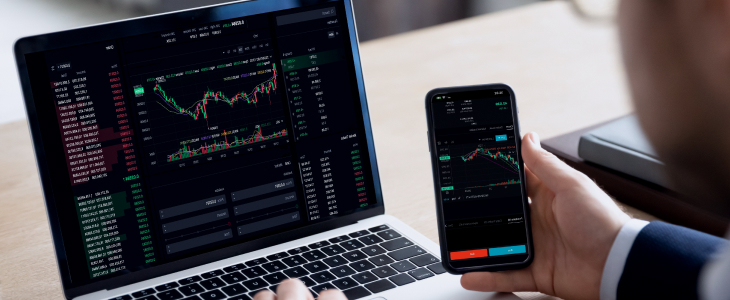
A notable advantage of AI in forex trading is the ability to process large amounts of data in real-time. Traditional analysis methods often lag due to the sheer volume of information available. AI algorithms can sift through this data instantly, providing traders with insights that would otherwise take hours to uncover. For instance, an AI system can analyze charts, candlestick patterns, and historical data simultaneously, allowing for quicker and more informed trading decisions.
Another critical aspect of AI trading in forex is sentiment analysis. By utilizing natural language processing (NLP), AI can assess the mood and sentiment surrounding financial markets by analyzing news articles, social media posts, and forums. This analysis enables traders to gauge market sentiment and make predictions based on public perception, which often drives market movements. Understanding sentiment is particularly valuable in the forex market, where news events can trigger rapid price changes.
Risk management is another area where AI excels. AI-driven trading systems can assess risk levels by analyzing portfolio exposure, volatility, and historical data. They can also implement stop-loss orders based on predetermined risk thresholds, helping traders mitigate potential losses. By continuously monitoring market conditions, AI systems can adjust risk parameters dynamically, ensuring that traders are protected against unexpected market shifts.
While the benefits of integrating AI in forex trading are significant, it is essential to acknowledge that this technology is not infallible. The forex market is inherently unpredictable, and even the most sophisticated AI models can produce erroneous predictions. Moreover, the quality of AI outcomes directly depends on the data fed into the system. Poor-quality or biased data can lead to inaccurate analyses, which may result in substantial losses.
It is also critical for traders to stay informed about the technological landscape and maintain an understanding of how AI works. Relying solely on AI for trading decisions without understanding the underlying mechanisms can be detrimental. Traders should combine AI capabilities with their insights and experiences for a well-rounded trading strategy.
As AI technology continues to evolve, we can expect the next generation of forex trading tools to become even more sophisticated. The implementation of AI in trading platforms is paving the way for innovations that will redefine how traders approach the market. Features such as predictive analytics, automated trading adjustments based on real-time data, and enhanced user interfaces are just the tip of the iceberg.
In conclusion, AI is revolutionizing the forex trading landscape, offering tools and capabilities that empower traders to make smarter, more informed decisions. By harnessing the power of AI, traders can improve their trading efficiency, optimize strategies, and ultimately enhance their trading profitability. As this technology continues to advance, those who embrace AI in their trading practices will likely gain a competitive edge in the ever-evolving forex market.
The future of forex trading is undoubtedly intertwined with artificial intelligence. Its ability to analyze vast datasets, predict market movements, and execute trades efficiently marks a substantial leap forward in trading technology. As traders adapt to these changes, staying informed and engaged with AI developments will be crucial for achieving success in the exciting world of forex trading.

0 Comentários